Look
Visit artists, studios and exhibitions across São Tomé. Start with the visual work rather than a predetermined screenplay.
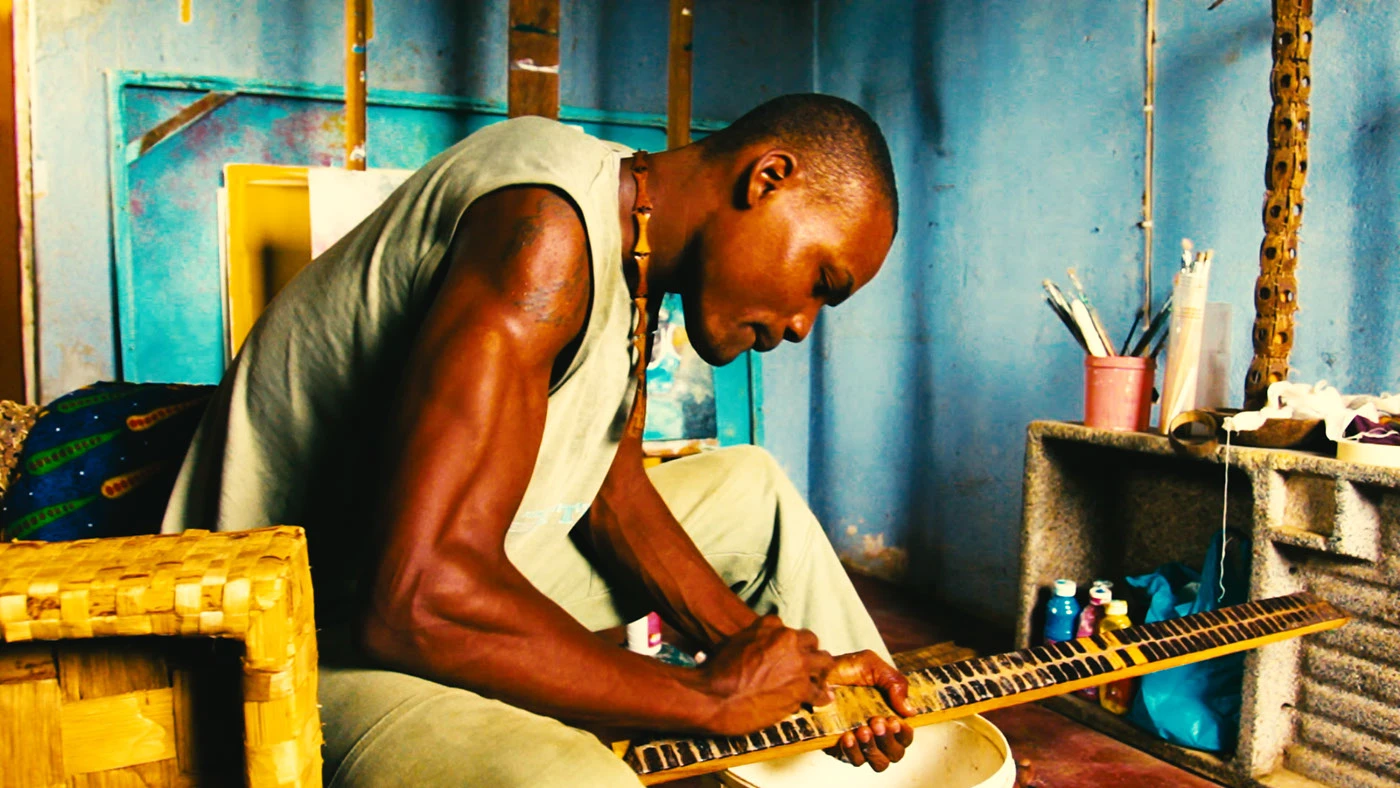
A documentary about artists became a storyworld where characters stepped out of paintings. Six young writers entered the canvases, stories became films, and one chapter eventually escaped the anthology to become Elsa Figueira.
Wê was developed as a Portuguese documentary-adventure, with an intended feature-length runtime of 82 minutes. Its IMDb entry lists HAAM, Galo Cantá and The Wê Collective as production companies. Production remained unfinished.
The project is better understood as a partially produced anthology and transmedia experiment. Scripts, workshops, casting, documentary footage, fictional shoots, trailers and excerpts survive. The anthology itself remained unfinished.
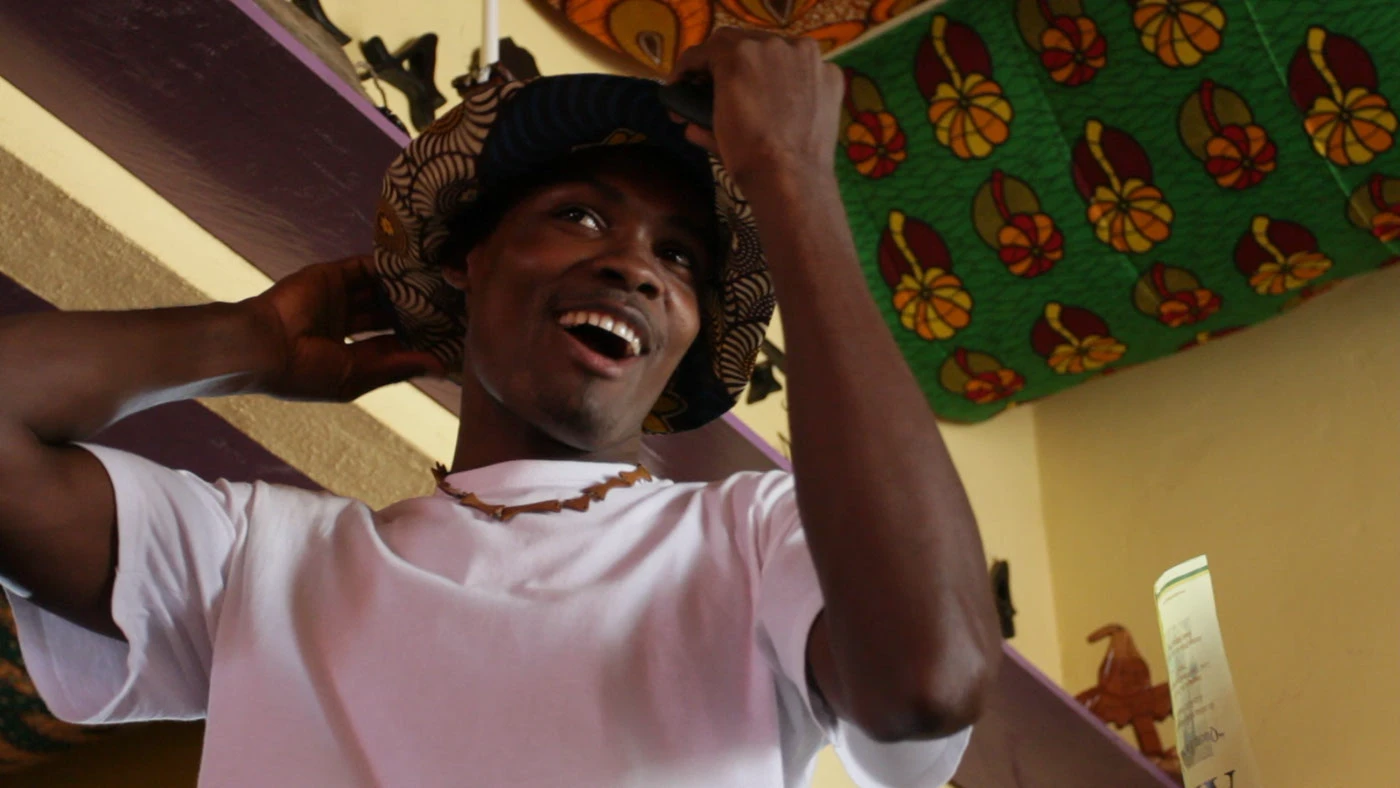
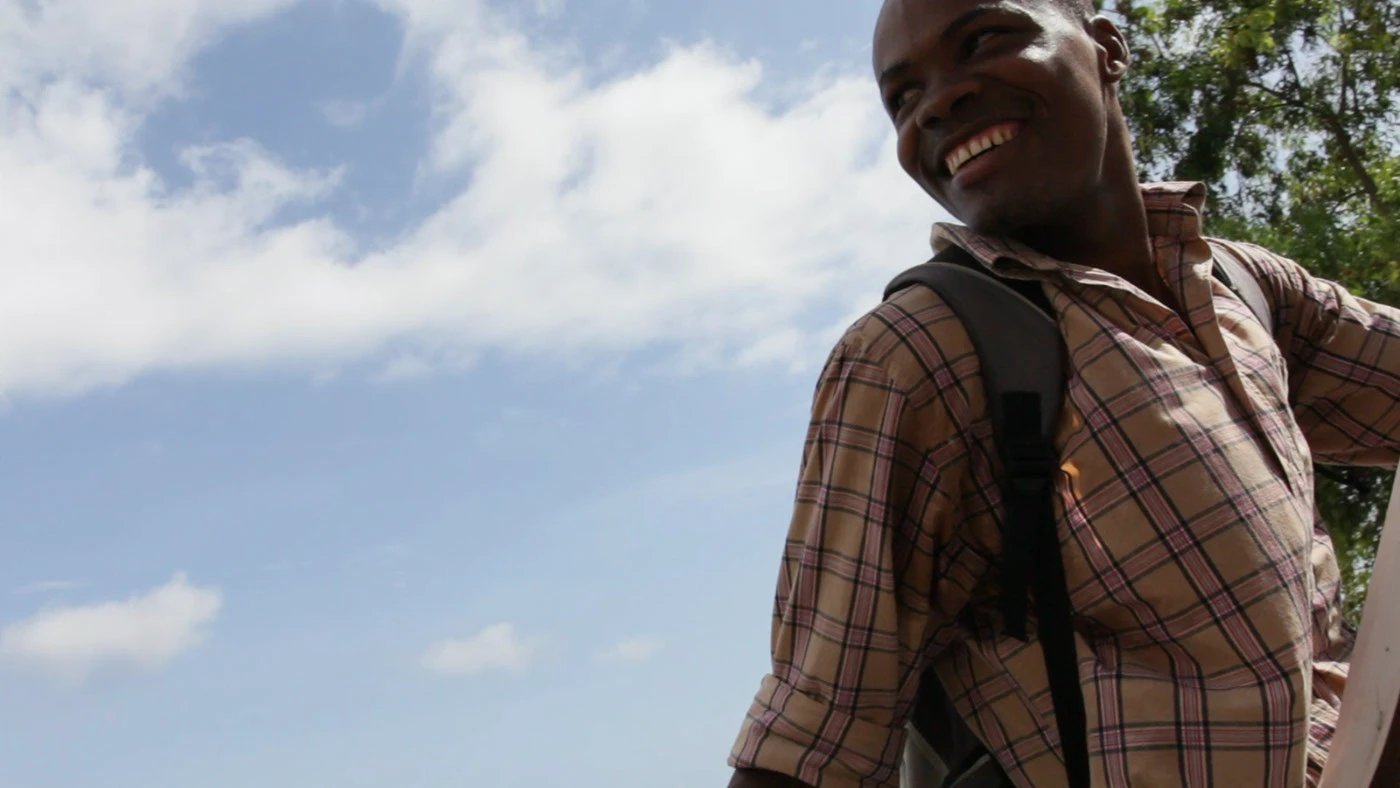
The earliest Wê strand followed painter Alex-Keller Fonseca and other São Toméan artists. By 2014, the idea had changed shape: instead of only observing artists, the film would move through the worlds inside their work. A painted figure could acquire a past, relationships, conflict and a future, then move from canvas into writing, storyboard, film and interface.
Kris later described the museum audio guide as the conceptual trigger. The stories around artworks were often as compelling as the objects themselves. Wê asked what would happen if the people inside the paintings could be given their own stories.
What the eye can see, we can imagine.
Visit artists, studios and exhibitions across São Tomé. Start with the visual work rather than a predetermined screenplay.
Select paintings and the figures inside them as seeds for new stories.
Use a writers' room to ask what these characters need, want, fear and hide.
Build scripts and storyboards, cast performers, show work-in-progress to real audiences and revise.
Let a story move across documentary, fiction, music, an iOS app, galleries and public campaigns rather than forcing everything into one feature.
After a screenwriting masterclass with Gonçalo Galvão Teles at Universidade Lusófona in Lisbon, Kris wanted to recreate the collaborative pressure and pleasure of a writers' room. Together with painter Dio Lima, he brought six young São Toméan writers together for a two-week workshop. They visited artists, looked through hundreds of works, chose paintings and wrote stories by imagining what happened beyond the edges of the canvas.
A boy moves through the rainforest with a slingshot despite his mother's objections. The chapter used a painted character to bring the value and vulnerability of São Tomé's natural environment into a small fictional story. Casting involved boys from Santo Amaro, Roça Boa Entrada and Desejada.
Filmed material survivesA girl falls for the wrong boy because she believes he is responsible for the love letters she has been receiving. The story appears consistently in Wê descriptions, but the surviving public archive does not establish how far principal photography progressed.
Written · production status unresolvedA young woman confronts the violence of the controlling man she loves. The chapter was cast and filmed, then developed beyond Wê. By late 2014, Elsa Figueira had become its own film and social campaign connected to #HeForShe, co-produced with Galo Cantá.
Spun out into an independent projectThe oldest strand of the anthology placed Alex-Keller and other artists inside the cinematic world of their own work. Kris and Alex-Keller wrote the chapter together. In the surviving 2014 description, its filming had already been unfolding over several years.
Long-running documentary strandSurviving film excerpts include the slingshot story and the domestic-violence strand. Both grew from paintings into scripts, performances and filmed scenes.
Other surviving materials include scripts, casting photographs, story guides and early promotional work.
The 2014 Wê pitch compared filmmaking to a startup process: prototype early, test stories, characters, posters and trailers with audiences, then develop the strongest ideas. Its contemporary account also records casting and production activity.
Wê did not become the clean feature implied by its legacy metadata. But it produced something more revealing about how HAAM was already working: research in the field, collaborative writing, prototype testing, visual storytelling, software thinking and local production were treated as parts of one system rather than separate disciplines.
Most concretely, Elsa Figueira emerged from the anthology and became an independent film and public campaign. The wider idea, that a story can expand across media and that audiences and collaborators can enter its production, continued to surface in later HAAM work.
The archive includes footage, story development, workshops, production records and the work that grew out of the project.